List of modern sovereign states by date of formation
Below is a list of sovereign states with the dates of their formation (date of their independence) and date of their current form of government (their constitution), this later sorted by continent.
This list includes the 195 states which are currently member states of the United Nations or non-member observer states with the United Nations General Assembly. This does not include extinct states, but does include several states with limited recognition.[note 1]
For proposed states or various indigenous nations which consider themselves still under occupation, see list of active autonomist and secessionist movements.
Nation-building is a long evolutionary process, and in most cases the date of a country's "formation" cannot be objectively determined; e.g., the fact that England and France were sovereign kingdoms on equal footing in the medieval period does not prejudice the fact that England is not now a sovereign state (having passed sovereignty to Great Britain in 1707), while France is a republic founded in 1870 (though the term France generally refers to the current French Fifth Republic government, formed in 1958).
Around 60 countries gained independence from the United Kingdom throughout its history, the most in the world, followed by around 40 countries that gained independence from France throughout its history.[1] Over 50% of the world's borders today were drawn as a result of British and French imperialism.[2][3][4] Many countries have gained independence from other Western European empires, including 23 from Spain, 7 from Portugal, 4 from the Netherlands, 3 from Belgium, and 2 from Italy.[5][6]
An unambiguous measure is the date of national constitutions; but as constitutions are an almost entirely modern concept, all formation dates by that criterion are modern or early modern (the oldest extant constitution being that of San Marino, dating to 1600).
Independence dates for widely recognized states earlier than 1919 should be treated with caution, since prior to the founding of the League of Nations, there was no international body to recognize nationhood, and independence had no meaning beyond mutual recognition of de facto sovereigns (the role of the League of Nations was effectively taken over by the United Nations after the Second World War). See Disputed territories.
The following list contains the formation dates of countries with a short description of formation events. For a more detailed description of a country's formation and history, please see the main article for that country.
Sortable list
In this list, "date of last subordination" refers to the last date of control by an external government. The list takes into account the existence of states (and their predecessor states) in an independent and continuous manner, ignoring historical periods in which states existed in the territories of the current states that were extinguished through conquest and annexation. Periods of colonial rule are also not counted. Foreign military occupations are included when the occupying nation does not have the objective of annexation or when a government in exile exists.
The list shows large groupings associated with the dates of independence from decolonization (e.g., 41 current states gained control of sovereignty from the United Kingdom and France between 1956 and 1966) or dissolution of a political union (e.g., 19 current states gained control of sovereignty from the Soviet Union, Czechoslovakia and Yugoslavia between 1990 and 1992). In other cases, a sovereign state submitted to foreign military occupation or political subjugation for a period of time and later regained its independence (e.g., 6 current states gained control of sovereignty from Nazi Germany between 1944 and 1945).
Dates refer to de facto rule or occupation of the major territory, whether or not legitimized by international recognition.
In a union such as Czechoslovakia, Yugoslavia, Poland-Lithuania, the Soviet Union, or the Kalmar Union, one of the constituents can be considered the dominant power – generally where the seat of government was located. The United Kingdom is a particularly complicated case. If England is viewed as the dominant member, then history can be traced from Roman conquest, Saxon invasions, 10th-century unification, and the 1066 Norman Conquest before the union of England and Scotland in 1707. However, if viewed from a Scottish perspective, an unbroken history of sovereignty can be traced from unification in 843 through the 1707 union with England (with a brief annexation by England from 1657 to 1660). Some Scots view the 1707 union as a ceding of sovereignty to England.[7]
There are cases where a state is completely extinguished or abolished without having any successor states. Cases like this occur when, for example, one state is annexed or conquered by another and ceases to exist even in nominal form (i.e., not even a "government in exile" is established). The most recent case in human history is the German Democratic Republic (East Germany or GDR), which was completely abolished after the German reunification in 1990. Modern Germany is a reunification of the GDR into the Federal Republic of Germany, not a GDR successor state.
The list does not include states of the Holy Roman Empire or vassal or autonomous states of the Ottoman Empire and Russian Empire, as it considers these autonomous subdivisions and not sovereign states. British dominions before the adoption of the Statute of Westminster of 1931 are also not included, as these are also considered autonomous dependent states (similar to present-day Puerto Rico and Greenland) because although they had autonomy in internal affairs, they still depended on the metropole (in this case the United Kingdom) for foreign policy and defense.
The concept of sovereign state should not be confused with that of nation (for example there are even stateless nations). This list has the date of creation of current sovereign states but not of nations. The historiography of some nations, such as the Bulgarians, even separates the different states founded by these nations (for example First, Second and Third Bulgarian State)
| Country | Continent | Acquisition of full sovereignty |
Date of last subordination |
Previous governing power | Historical Notes | Capital |
|---|---|---|---|---|---|---|
.svg.png) Afghanistan Afghanistan
|
Asia | 27 May 1863 | 30 August 2021 |  Durrani Empire Durrani Empire United States United States
|
2021–present:  Islamic Emirate of Afghanistan (de facto) Islamic Emirate of Afghanistan (de facto)2004–2021: |
Kabul |
 Albania Albania
|
Europe | 28 Nov 1912 | Nov 1944[8] | .svg.png) Germany Germany
|
1992–present: Republic of Albania 1946–92: |
Tirana |
 Algeria Algeria
|
Africa | 3 July 1962[9] | 3 July 1962[10] |  France France
|
1962–present: People's Democratic Republic of Algeria (via Évian Accords)
|
Algiers |
 Andorra Andorra
|
Europe | 7 Sep 1278[11][12] | Nov 1944[13] | France
|
1278–present: Principality of Andorra (via Paréage of Andorra; occupied by France 1812–13, 1870, 1914, 1936, 1939, 1944) | Andorra la Vella |
 Angola Angola
|
Africa | 11 Nov 1975[14] | 11 Nov 1975 | .svg.png) Portugal Portugal
|
1992–present: Republic of Angola 1975–1992: People's Republic of Angola (via the Alvor Agreement) |
Luanda |
 Antigua and Barbuda Antigua and Barbuda
|
The Americas | 1 Nov 1981[15] | 1 Nov 1981 |  United Kingdom United Kingdom
|
1981–present: Antigua and Barbuda, a monarchy in personal union with the United Kingdom |
St. John's |
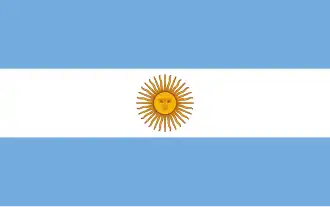 Argentina Argentina
|
The Americas | 25 May 1810 | 9 July 1816[16] | .svg.png) Spain Spain
|
1861–present: Argentine Republic, a federation
1831–1861: |
Buenos Aires |
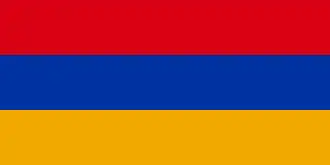 Armenia Armenia
|
Asia/Europe | 23 Sep 1991 | 23 Sep 1991[17] |  Soviet Union Soviet Union
|
1991–present: Republic of Armenia |
Yerevan |
.svg.png) Australia Australia
|
Australia | 9 Oct 1942[note 5] | 9 Oct 1942 | United Kingdom
|
1942–present: Commonwealth of Australia, a Federation[18] and a monarchy in personal union with the United Kingdom |
Canberra |
 Austria Austria
|
Europe | 10 September 1919 [note 6] | 27 July 1955 |  World War II Allies ( Allied-occupied Austria): United Kingdom World War II Allies ( Allied-occupied Austria): United Kingdom.svg.png) United States Soviet Union France United States Soviet Union France
|
1955–present: Republic of Austria, a federation (via Austrian State Treaty) 1945–55: Allied-occupied Austria 1938–45: Annexed by Nazi Germany 1934–38: Federal State of Austria (client state of Italy) 1919–34: First Republic of Austria (via Treaty of Saint Germain) 1918–19: Republic of German-Austria (via Proclamation of Charles I) (New State) |
Vienna |
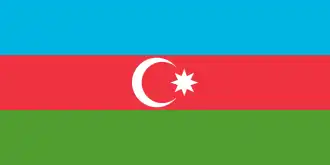 Azerbaijan Azerbaijan
|
Asia/Europe | 30 Aug 1991 | 30 Aug 1991 | Soviet Union
|
1991–present: Republic of Azerbaijan | Baku |
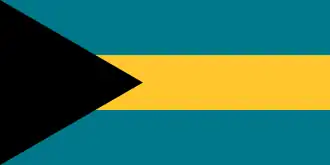 Bahamas Bahamas
|
The Americas | 10 July 1973[19] | 10 July 1973 | United Kingdom
|
1973–present: Commonwealth of the Bahamas, a monarchy in personal union with the United Kingdom | Nassau |
 Bahrain Bahrain
|
Asia | 16 Dec 1971 | 16 Dec 1971 | United Kingdom
|
1971–present: Kingdom of Bahrain |
Manama |
 Bangladesh Bangladesh
|
Asia | 16 Dec 1971 | 16 Dec 1971 |  Pakistan Pakistan
|
1972–present: People's Republic of Bangladesh 1971–1972: .svg.png) Provisional Government of the People's Republic of Bangladesh Provisional Government of the People's Republic of Bangladesh
|
Dhaka |
 Barbados Barbados
|
The Americas | 30 Nov 1966 | 30 Nov 1966 | United Kingdom
|
2021–present: Barbados, a republican state 1966-2021: Barbados, a monarchy in personal union with the United Kingdom |
Bridgetown |
 Belarus Belarus
|
Europe | 25 Aug 1991[note 7] | 25 Aug 1991 | Soviet Union
|
1991–present: Republic of Belarus | Minsk |
 Belgium Belgium
|
Europe | 4 Oct 1830 | 1945 | Germany
|
1830–present: Kingdom of Belgium, a constitutional monarchy. 5th may 1993–present: a federation since the fourth state reform 1830–4th May 1993: a unitary state divided into provinces |
Brussels |
 Belize Belize
|
The Americas | 21 Sep 1981[20] | 21 Sep 1981 | United Kingdom
|
1981–present: Belize, a monarchy in personal union with the United Kingdom | Belmopan |
 Benin Benin
|
Africa | 1 Aug 1960 | 1 Aug 1960 | France
|
1990–present: Republic of Benin 1975–1990: People's Republic of Benin 1960–1975: Republic of Dahomey |
Porto-Novo |
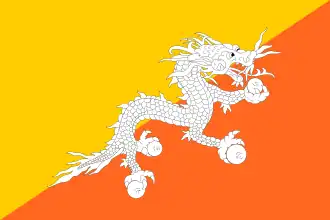 Bhutan Bhutan
|
Asia | 1616 | 1616 |  Tibet Tibet
|
1616–present: Kingdom of Bhutan | Thimphu |
.svg.png) Bolivia Bolivia
|
The Americas | 6 Aug 1825 | 6 Aug 1825 | Spain
|
2009–present: Plurinational State of Bolivia 1839–2009: Republic of Bolivia |
La Paz and Sucre |
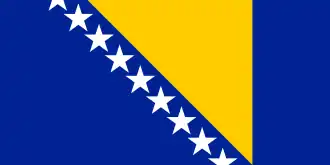 Bosnia and Herzegovina Bosnia and Herzegovina
|
Europe | 3 Mar 1992 | 3 Mar 1992 | .svg.png) Yugoslavia Yugoslavia
|
1997–present: Bosnia and Herzegovina, a Federation
1992–1997: Republic of Bosnia and Herzegovina |
Sarajevo |
 Botswana Botswana
|
Africa | 30 Sep 1966[21] | 30 Sep 1966 | United Kingdom
|
1966–present : Republic of Botswana |
Gaborone |
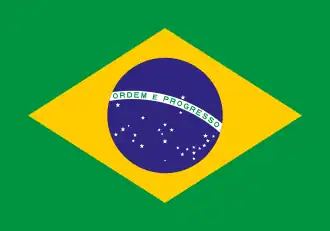 Brazil Brazil
|
The Americas | 7 Sep 1822[22] | 29 Aug 1825 [note 8] |  United Kingdom of Portugal, Brazil and the Algarves United Kingdom of Portugal, Brazil and the Algarves
|
1985–Present: Federative Republic of Brazil (Sixth Brazilian Republic) (a federation) 1964–1985: |
Brasília |
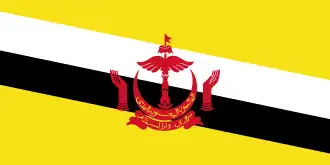 Brunei Brunei
|
Asia | 1 Jan 1984 | 1 Jan 1984 | United Kingdom
|
1984–present: Nation of Brunei, the Abode of Peace | Bandar Seri Begawan |
 Bulgaria Bulgaria
|
Europe | 5 Oct 1908 | 5 Oct 1908 | .svg.png) Ottoman Empire Ottoman Empire
|
1990–present: Republic of Bulgaria 1946–1990: |
Sofia |
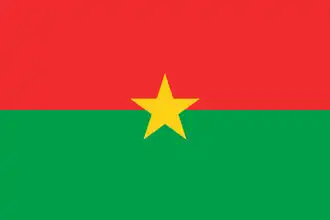 Burkina Faso Burkina Faso
|
Africa | 5 Aug 1960[23] | 5 Aug 1960 | France
|
1984–present: Burkina Faso 1960–1984:Republic of Upper Volta |
Ouagadougou |
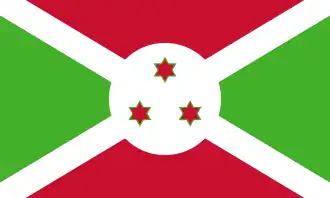 Burundi Burundi
|
Africa | 1 July 1962 | 1 July 1962 | .svg.png) Belgium Belgium
|
1966–present: Republic of Burundi 1962–1966: Kingdom of Burundi |
Gitega |
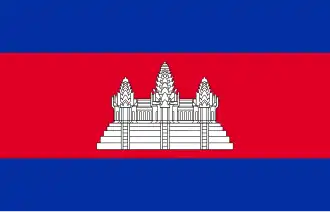 Cambodia Cambodia
|
Asia | 9 Nov 1953 | 9 Nov 1953[24] | France United Nations Transitional Authority in Cambodia
|
1993–present: Kingdom of Cambodia
1992–1993: United Nations Transitional Authority in Cambodia |
Phnom Penh |
 Cameroon Cameroon
|
Africa | 1 Jan 1960 | 1 Oct 1961 | France United Kingdom
|
1972–present: Republic of Cameroon, unitary state 1961-1972: Federal Republic of Cameroon Note: |
Iaundé |
.svg.png) Canada Canada
|
The Americas | 11 Dec 1931[note 9] | 11 Dec 1931 | United Kingdom
|
|
Ottawa |
 Cape Verde Cape Verde
|
Africa | 5 July 1975 | 5 July 1975[26] | Portugal
|
1975–present: Republic of Cabo Verde | Praia |
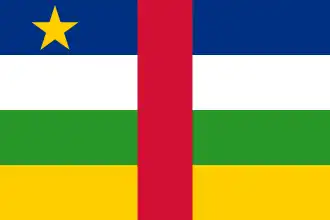 Central African Republic Central African Republic
|
Africa | 13 Aug 1960 | 13 Aug 1960 | France
|
1960–present: Central African Republic |
Bangui |
 Chad Chad
|
Africa | 11 Aug 1960 | 11 Aug 1960 | France
|
1960–present: Republic of Chad | N'Djamena |
 Chile Chile
|
The Americas | 12 Feb 1818[note 10] | 12 Feb 1818 | Spain
|
1990–Present: Republic of Chile (Democracy Restored) 1973–1990: |
Santiago |
 China China
|
Asia | 17 Feb 1616 [note 11] | 2 Sep 1945 |  Japan (partial occupation) Japan (partial occupation)
|
1937–1945: The PRC government in Beijing considers itself the successor of the Republic of China (1912–1949) which legally inherited the whole of China from the Qing dynasty. The ROC government in Taipei denies the legitimacy of the PRC and considers itself the sole legitimate government of the whole of China. |
Beijing |
 Colombia Colombia
|
The Americas | 7 Aug 1819 | 7 Aug 1819 | Spain
|
1886–present: Republic of Colombia (unitary state)
1863–1886: |
Bogotá |
 Comoros Comoros
|
Africa | 6 July 1975 | 6 July 1975 | France
|
2001–present:Union of the Comores, a Federation 1975–2001: Federal and Islamic Republic of Comoros |
Moroni |
 Congo, Democratic Republic of the Congo, Democratic Republic of the
|
Africa | 30 June 1960 | 30 June 1960 | Belgium
|
1997–present: |
Kinshasa |
 Congo, Republic of the Congo, Republic of the
|
Africa | 15 Aug 1960 | 15 Aug 1960 | France
|
1992–present: |
Brazzaville |
.svg.png) Costa Rica Costa Rica
|
The Americas | 14 Nov 1838[note 13] | 1838 |  Federal Republic of Central America Federal Republic of Central America
|
1948–present:  Republic of Costa Rica (Second) Republic of Costa Rica (Second)1848–1948: |
San José |
 Croatia Croatia
|
Europe | 8 Oct 1991[27][28][29][30][31] | 8 Oct 1991 | Yugoslavia
|
1991–present: Republic of Croatia
|
Zagreb |
 Cuba Cuba
|
The Americas | 20 May 1902 | 2 February 1909 | .svg.png) United States United States
|
1959–present: Republic of Cuba, sovereign communist state 1902–1959: Republic of Cuba, sovereign capitalist state |
Havana |
 Cyprus Cyprus
|
Europe | 16 Aug 1960 | 16 Aug 1960 | United Kingdom
|
1960–present: Republic of Cyprus Note: Cyprus has been divided between two ethnicities as one sovereign state: |
Nicosia |
 Czechia Czechia
|
Europe | 1 Jan 1993 | 1 Jan 1993 | Czechoslovakia
|
1993–present: Czech Republic |
Prague |
 Denmark Denmark
|
Europe | 714[32] | 5 May 1945 | Germany
|
1864–present: Kingdom of Denmark (It consists of metropolitan Denmark (sometimes called "Denmark proper") and the realm's two autonomous (but not sovereign) regions: the Faroe Islands in the North Atlantic and Greenland in North America) 1814-1864: Danish Unitary State - Kingdom of Denmark in personal union with the Duchy of Schleswig, Duchy of Holstein and Duchy of Lauenburg |
Copenhagen |
 Djibouti Djibouti
|
Africa | 27 June 1977 | 27 June 1977 | France
|
1977–present: Republic of Djibouti | Djibouti |
 Dominica Dominica
|
The Americas | 3 Nov 1978 | 3 Nov 1978 | United Kingdom
|
1978–present: Commonwealth of Dominica | Roseau |
 Dominican Republic Dominican Republic
|
The Americas | 27 Feb 1844[note 14] | 27 Feb 1844 | .svg.png) Haiti Haiti
|
1844–present: Dominican Republic | Santo Domingo |
 Ecuador Ecuador
|
The Americas | 13 May 1830 | 13 May 1830 | .svg.png) Gran Colombia Gran Colombia
|
1830–present: Republic of Ecuador |
Quito |
 Egypt Egypt
|
Africa/Asia | 28 Feb 1922[note 15] | 28 Feb 1922 | United Kingdom
|
1971–present: Arab Republic of Egypt 1958–1971: |
Cairo |
 El Salvador El Salvador
|
The Americas | 1 Feb 1841 [note 17] | 1 Feb 1841 | Federal Republic of Central America
|
1982–present: Republic of El Salvador 1979–1982: |
San Salvador |
 Equatorial Guinea Equatorial Guinea
|
Africa | 12 Oct 1968 | 12 Oct 1968 | .svg.png) Spain Spain
|
1968–present: Republic of Equatorial Guinea | Malabo |
 Eritrea Eritrea
|
Africa | 24 May 1993 | 24 May 1993 | .svg.png) Ethiopia Ethiopia
|
1993–present: State of Eritrea | Asmara |
 Estonia Estonia
|
Europe | 24 Feb 1918[33] | 20 Aug 1991 | Soviet Union
|
1991–present: Republic of Estonia 1944-1991: Estonian government-in-exile |
Tallinn |
 Eswatini Eswatini
|
Africa | 6 Sep 1968 | 6 Sep 1968 | United Kingdom
|
2018–present: Kingdom of Eswatini 1968–2018: Kingdom of Swaziland |
Lobamba (royal and legislative) and Mbabane (administrative) |
 Ethiopia Ethiopia
|
Africa | 1137 c. [note 18] | 5 May 1941 | .svg.png) Italy Italy
|
1995–present: Federal Democratic Republic of Ethiopia, a federation 1991–1995: Transitional Government of Ethiopia |
Addis Ababa |
 Fiji Fiji
|
Australia | 10 Oct 1970 | 10 Oct 1970 | United Kingdom
|
1987–present: Republic of Fiji 1970–1987: Dominion of Fiji, a monarchy in personal union with the United Kingdom |
Suva |
 Finland Finland
|
Europe | 6 Dec 1917 | 4 Jan 1918 | .svg.png) Russian Empire Russian Empire
|
1919–present: Republic of Finland 1918–1919: Kingdom of Finland |
Helsinki |
| France
|
Europe | 843 | 1944 | Germany
|
1958—Present: French Republic (Fifth; consisted of integral regions (five being overseas regions) and several overseas collectivities) 1946–1958: |
Paris |
 Gabon Gabon
|
Africa | 17 Aug 1960 | 17 Aug 1960 | France
|
1960–present: Gabonese Republic | Libreville |
 Gambia Gambia
|
Africa | 18 Feb 1965 | 18 Feb 1965 | United Kingdom
|
1989–present: Republic of The Gambia
1982-1989: In union with Senegal in the Senegambia Confederation |
Banjul |
 Georgia Georgia
|
Asia/Europe | 9 Apr 1991 | 9 Apr 1991 | Soviet Union
|
1991–Present: Republic of Georgia |
Tbilisi |
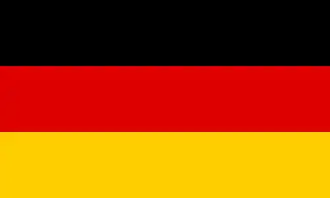 Germany Germany
|
Europe | 1 July 1867 [note 19] | 15 Mar 1991 |  West Berlin World War II Allies ( West Berlin World War II Allies (.svg.png) Allied-occupied Germany): United Kingdom United States Soviet Union France Allied-occupied Germany): United Kingdom United States Soviet Union France
|
1990–Present: Federal Republic of Germany (Become fully sovereign after reunification with the  German Democratic Republic on 15 March 1991, after the Treaty on the Final Settlement with Respect to Germany came into effect). German Democratic Republic on 15 March 1991, after the Treaty on the Final Settlement with Respect to Germany came into effect).1949–1990: |
Berlin |
 Greece Greece
|
Europe | 25 Mar 1822 | 1945 | Bulgaria Nazi Germany_crowned.svg.png) Italy Italy
|
1974–Present: Third Hellenic Republic 1967–1974: |
Athens |
 Grenada Grenada
|
The Americas | 7 Feb 1974 | 7 Feb 1974 | United Kingdom
|
1974–present: Grenada, a monarchy in personal union with the United Kingdom | St. George's |
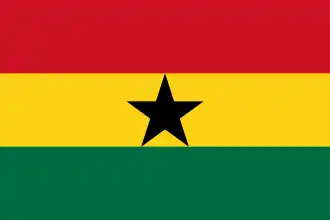 Ghana Ghana
|
Africa | 6 May 1957 | 6 May 1957 | United Kingdom
|
1960–Present: Republic of Ghana 1957-1960: Dominion of Ghana, a monarchy in personal union with the United Kingdom |
Accra |
 Guatemala Guatemala
|
The Americas | 17 Apr 1839 | 17 Apr 1839 | Federal Republic of Central America
|
1922–present: Republic of Guatemala
1921–1922: |
Guatemala City |
 Guinea Guinea
|
Africa | 2 Oct 1958 | 2 Oct 1958 | France
|
1958–present: Republic of Guinea | Conakry |
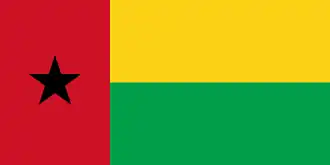 Guinea-Bissau Guinea-Bissau
|
Africa | 24 Sep 1973 | 10 Sep 1974 | Portugal
|
1973–present: Republic of Guinea-Bissau | Bissau |
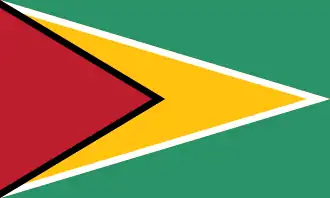 Guyana Guyana
|
The Americas | 26 May 1966 | 26 May 1966 | United Kingdom
|
1970–present: Co-operative Republic of Guyana 1966–1970: Guyana, a monarchy in personal union with the United Kingdom |
Georgetown |
 Haiti Haiti
|
The Americas | 1 Jan 1804 | 1 Jan 1804 | France
|
1859–present: Republic of Haiti
1849–1859: Second Empire of Haiti |
Port-au-Prince |
.svg.png) Honduras Honduras
|
The Americas | 26 October 1838 [note 20] | May 1924 | United States
|
1922–present: Republic of Honduras
1921–1922: In union with other Central American states in the |
Tegucigalpa |
 Hungary Hungary
|
Europe | 16 November 1918[note 21]. | 1918 23 Oct 1989 |
.svg.png) Austria-Hungary Soviet Union Austria-Hungary Soviet Union
|
1989–present: Third Hungarian Republic 1949–1989: Hungarian People's Republic |
Budapest |
 Iceland Iceland
|
Europe | 1 Dec 1918 | 1 Dec 1918 | Denmark United Kingdom Canada United States
|
1945–present: Republic of Iceland 1944–1945: Republic of Iceland (occupied by the United States) |
Reykjavík |
 India India
|
Asia | 15 Aug 1947 | 15 Aug 1947 | United Kingdom
|
1950–present: Republic of India, a federation
1947–1950: |
New Delhi |
 Indonesia Indonesia
|
Asia/Australia | 17 Aug 1945 | 27 Dec 1949 |  Netherlands Netherlands
|
1956–present: Republic of Indonesia
1950-1956: Republic of Indonesia, a republic in real union with the Netherlands in the Netherlands-Indonesia Union (confederation) |
Jakarta |
 Iran Iran
|
Asia | 1501[note 22] | 2 March 1946 | United Kingdom/ Soviet Union Anglo-Soviet withdrawal from Tehran |
1980–present: Islamic Republic of Iran
1979–1980: Under an Interim Government |
Tehran |
 Iraq Iraq
|
Asia | 3 Oct 1932[note 23] | 1 May 2003 | United States United Kingdom Australia  Poland Poland
|
2003–present: Republic of Iraq, a federation 2003: American Invasion[36] |
Baghdad |
 Ireland Ireland
|
Europe | 11 Dec 1931[note 24] | 11 Dec 1931 | United Kingdom
|
1948–present: Ireland (additionally described as the Republic of Ireland) (Republic of Ireland Act 1948: Ireland becomes a republic, ending the monarchy). 1937–1948: |
Dublin |
 Israel Israel
|
Asia | 14 May 1948 | 14 May 1948 | United Kingdom
|
1948–present: State of Israel | Jerusalem |
 Italy Italy
|
Europe | 1720 | 2 May 1945 | Allies of World War II: United Kingdom United States France.svg.png) Canada Canada.svg.png) South Africa South Africa.svg.png) Poland Poland.svg.png) Brazil Brazil.svg.png) Greece Greece
|
1946–present: Italian Republic
1945–1946: |
Rome |
 Ivory Coast Ivory Coast
|
Africa | 7 Aug 1960 | 7 Aug 1960 | France
|
1960–present Republic of Côte d'Ivoire |
Abidjan (former capital; still hosts some government offices) and Yamoussoukro (de jure) |
 Jamaica Jamaica
|
The Americas | 6 Aug 1962 | 6 Aug 1962 | United Kingdom
|
1962–present: Jamaica, a monarchy in personal union with the United Kingdom | Kingston |
| Japan
|
Asia | 539[note 25] | 28 Apr 1952 | World War II Allies ( Allied-occupied Japan) Allied-occupied Japan) |
1952–present: Japan (after the Treaty of San Francisco ended postwar occupation). 1945–1952: |
Tokyo |
 Jordan Jordan
|
Asia | 25 May 1946 | 2 Aug 1958 | United Kingdom
|
1958–present: Hashemite Kingdom of Jordan
Feb–Aug 1958: In union with Iraq in the Arab Federation (confederation) |
Amman |
 Kazakhstan Kazakhstan
|
Asia/Europe | 16 Dec 1991 | 16 Dec 1991 | Soviet Union
|
1991–present: Republic of Kazakhstan | Astana |
 Kenya Kenya
|
Africa | 12 Dec 1963 | 12 Dec 1963 | United Kingdom
|
1964–present: Republic of Kenya 1963–1964: Kenya, a monarchy in personal union with the United Kingdom |
Nairóbi |
 Kiribati Kiribati
|
Australia | 12 July 1979 | 12 July 1979 | United Kingdom
|
1979–present: Republic of Kiribati | South Tarawa |
 North Korea North Korea
|
Asia | 9 Sep 1948 | 9 Sep 1948 | Soviet Union
|
1948–present: Democratic People's Republic of Korea (New State)
|
Pyongyang |
 South Korea South Korea
|
Asia | 15 Aug 1948 | 15 Aug 1948 | United States
|
1987–present: Republic of Korea (Sixth) 1981–1987: |
Seoul |
 Kosovo Kosovo
|
Europe | 17 February 2008 | 17 February 2008 |  Serbia United Nations Administered Kosovo Serbia United Nations Administered Kosovo
|
2008–present: Republic of Kosovo | Pristina |
 Kuwait Kuwait
|
Asia | 19 June 1961 | Feb 1991 | Iraq
|
1991–present: State of Kuwait 1990–1991: Kuwait Governorate, governorate of Iraq |
Kuwait City |
 Kyrgyzstan Kyrgyzstan
|
Asia | 31 Aug 1991 | 31 Aug 1991 | Soviet Union
|
1991–present: Kyrgyz Republic (the name "Republic of Kyrgyzstan" was adopted in 1990, changed to current in 1993) | Bishkek |
 Laos Laos
|
Asia | 22 Oct 1953 | 22 Oct 1953 | France
|
1975–present: Lao People's Democratic Republic
1953–1975: Kingdom of Laos |
Vientiane |
 Latvia Latvia
|
Europe | 18 Nov 1918[37] | 4 May 1990 | Soviet Union
|
1991–present: Republic of Latvia 1940–1991: Latvian diplomatic service in exile (Occupation by Germany (1940–1944) and later by the Soviet Union (1944–1991)) |
Riga |
 Lebanon Lebanon
|
Asia | 22 Nov 1943 | 31 Dec 1946 | France
|
1943–present: Lebanese Republic
|
Beirut |
 Lesotho Lesotho
|
Africa | 4 Oct 1966 | 4 Oct 1966 | United Kingdom
|
1966–present: .svg.png) .svg.png) Kingdom of Lesotho Kingdom of Lesotho
|
Maseru |
 Liberia Liberia
|
Africa | 26 July 1847 | 26 July 1847 |  American Colonization Society American Colonization Society
|
1847–present: Republic of Liberia (1980-1984: People's Redemption Council )
|
Monrovia |
 Libya Libya
|
Africa | 1 Mar 1949[38] | 24 Dec 1951 | France United Kingdom
|
2011–present: State of Libya (Sometimes refer to as Libya)
1977–2011: |
Tripoli |
 Liechtenstein Liechtenstein
|
Europe | 6 August 1806 | 6 August 1806 | .svg.png) Holy Roman Empire Holy Roman Empire
|
1806–present: Principality of Liechtenstein | Vaduz |
 Lithuania Lithuania
|
Europe | 16 Feb 1918 | 11 Mar 1990 | Soviet Union
|
1991–present: Republic of Lithuania 1940–1991: Lithuanian Diplomatic Service (Occupation by Germany (1940–1944) and later by the Soviet Union (1944–1991) |
Vilnius |
 Luxembourg Luxembourg
|
Europe | 15 Mar 1815 | 1945 | Germany |
1890–present: Grand Duchy of Luxembourg, independent state with its own dynasty 1866–1890: Grand Duchy of Luxembourg, independent state in personal union with Netherlands |
Luxembourg |
 Madagascar Madagascar
|
Africa | 26 June 1960 | 26 June 1960 | France
|
2014–present: Republic of Madagascar (Fourth Republic) 2009–2014: High Transitional Authority |
Antananarivo |
 Malawi Malawi
|
Africa | 6 July 1964 | 6 July 1964 | United Kingdom
|
1964–present: Republic of Malawi | Lilongwe |
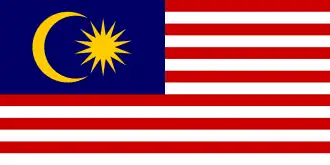 Malaysia Malaysia
|
Asia | 31 Aug 1957[39] | 31 Aug 1957 | United Kingdom
|
1963–present: Malaysia, a federation 1957-1963: Federation of Malaya Note: |
Kuala Lumpur (de jure, legislative and royal) and Putrajaya (administrative and judicial) |
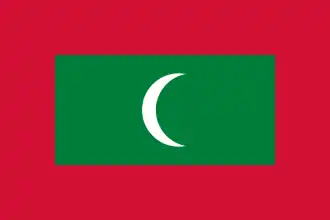 Maldives Maldives
|
Asia | 26 July 1965 | 26 July 1965 | United Kingdom
|
1965–present: Republic of Maldives | Malé |
 Mali Mali
|
Africa | 20 Aug 1960 | 20 Aug 1960 | France
|
1960–present: Republic of Mali | Bamako |
 Malta Malta
|
Europe | 21 Sep 1964 | 21 Sep 1964 | United Kingdom
|
1974–present: Republic of Malta 1964–1974: State of Malta, a monarchy in personal union with the United Kingdom |
Valletta |
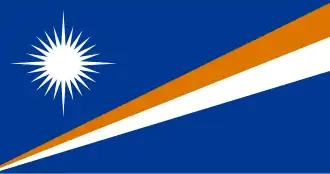 Marshall Islands Marshall Islands
|
Australia | 21 Oct 1986 | 21 Oct 1986 | United States
|
1986–present: Republic of the Marshall Islands | Majuro |
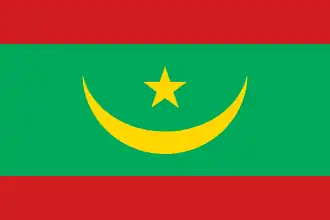 Mauritania Mauritania
|
Africa | 28 Nov 1960 | 28 Nov 1960 | France
|
1960–present: Islamic Republic of Mauritania |
Nouakchott |
 Mauritius Mauritius
|
Africa | 12 Mar 1968 | 12 Mar 1968 | United Kingdom
|
1992–present: Republic of Mauritius 1968–1992: Mauritius, a monarchy in personal union with the United Kingdom |
Port Louis |
 Mexico Mexico
|
The Americas | 16 Sep 1810 | 1864 | Spain
|
1867–Present: United Mexican States (a federation) 1864–1867: |
Mexico City |
 Micronesia, Federated States of Micronesia, Federated States of
|
Australia | 3 Nov 1986 | 3 Nov 1986 | United States
|
1986–present: Federated States of Micronesia, a federation
|
Palikir |
 Moldova Moldova
|
Europe | 27 Aug 1991 | 27 Aug 1991 | Soviet Union
|
1991–present: Moldova
|
Chișinău |
 Monaco Monaco
|
Europe | 2 Feb 1861[note 26] | 1945 | Germany
|
1911–present: Principality of Monaco | Monaco |
 Mongolia Mongolia
|
Asia | 13 Mar 1921 [note 27] | 13 Mar 1921 | .svg.png) Republic of China Republic of China
|
1990-present: Mongolia 1945-1992: |
Ulaanbaatar |
 Montenegro Montenegro
|
Europe | 4 February 2003[note 28] | 21 May 2006 (independence referendum) June 3, 2006 |
.svg.png) Yugoslavia Yugoslavia
|
2006–present: Montenegro 2003-2006: In union with Serbia in the State Union of Serbia and Montenegro (confederation) |
Podgorica |
 Morocco Morocco
|
Africa | 5 Feb 788 | 18 Nov 1955 | France Spain
|
1956–present: Kingdom of Morocco
|
Rabat |
 Mozambique Mozambique
|
Africa | 25 June 1975 | 25 June 1975 | Portugal
|
1975–present: Republic of Mozambique | Maputo |
 Myanmar Myanmar
|
Asia | 4 Jan 1948 | 4 Jan 1948 | United Kingdom
|
2008–present: Republic of the Union of Myanmar 1988-2008: Union of Myanmar 1962-1988: Socialist Republic of the Union of Burma 1948-1962: Union of Burma |
Naypyidaw |
 Namibia Namibia
|
Africa | 21 Mar 1990 | 21 Mar 1990 | South Africa
|
1990–present: Republic of Namibia | Windhoek |
 Nauru Nauru
|
Australia | 31 Jan 1968 | 31 Jan 1968 | Australia New Zealand United Kingdom New Zealand United Kingdom Trust Territory of Nauru Trust Territory of Nauru
|
1968–present: Republic of Nauru | Yaren |
 Nepal Nepal
|
Asia | 1559 | 1559 |  Khasa Kingdom[40] Khasa Kingdom[40]
|
2008–present: Federal Democratic Republic of Nepal 1768–2008: Kingdom of Nepal |
Kathmandu |
| Netherlands
|
Europe | 20 Nov 1813 [note 29] | 1945 | Germany
|
1945–present: Kingdom of the Netherlands (reestablished in 1945. Aruba, Curaçao, the Netherlands, and Sint Maarten are the constituent countries of the Kingdom) 1940–1945: Occupied by |
Amsterdam |
| New Zealand
|
Australia | 25 Nov 1947[note 30] | 25 Nov 1947 | United Kingdom
|
1947–present: Realm of New Zealand, a monarchy in a personal union with the United Kingdom.[41][42] (New Zealand (a sovereign state) has one Antarctic territorial claim (the Ross Dependency), one dependent territory (Tokelau), and two associated states (the Cook Islands and Niue)) | Wellington |
 Nicaragua Nicaragua
|
The Americas | 13 Nov 1838[note 31] | 2 Jan 1933 | United States of America
|
1898–Present: Republic of Nicaragua 1896–1898: In union with other Central American states in the |
Managua |
 Niger Niger
|
Africa | 7 Aug 1960 | 7 Aug 1960 | France
|
1960–present: Republic of the Niger | Niamey |
 Nigeria Nigeria
|
Africa | 1 Oct 1960 | 1 Oct 1960 | United Kingdom
|
1963–present: Federal Republic of Nigeria, a federation 1960-1963: Nigeria, a federation and monarchy in personal union with the United Kingdom |
Abuja |
 North Macedonia North Macedonia
|
Europe | 8 Sep 1991 | 8 Sep 1991 | Yugoslavia
|
2019–present: Republic of North Macedonia
1991–2019: |
Skopje |
 Norway Norway
|
Europe | 872 | 8 May 1945 | Germany
|
1940–present: Kingdom of Norway 1940–1945: Occupied by Germany (Reichskommissariat). |
Oslo |
 Oman Oman
|
Asia | 1154 [note 32] | 1976 | Dhofar War: United Kingdom.svg.png) Pahlavi Iran Pahlavi Iran
|
1970–present Oman 1856-1970: |
Muscat |
| Pakistan
|
Asia | 14 Aug 1947 | 14 Aug 1947 | United Kingdom
|
1956–present: Islamic Republic of Pakistan, a federation 1947–1956: |
Islamabad |
 Palau Palau
|
Australia | 1 Oct 1994 | 1 Oct 1994 | United States
|
1994–present: Republic of Palau | Ngerulmud |
 Palestine Palestine
|
Asia | 15 Nov 1988 Sovereignty disputed by Israel [note 33]
|
15 Nov 1988 | Israel
|
1988–present: State of Palestine | Ramallah |
 Panama Panama
|
The Americas | 3 Nov 1903 | 31 Jan 1990 | United States
|
1990–present: Republic of Panama 1989–1990: American Invasion 1903–1989: Republic of Panama
|
Panama City |
 Papua New Guinea Papua New Guinea
|
Australia | 16 Sep 1975 | 16 Sep 1975 | Australia
|
1975–present: Independent State of Papua New Guinea | Port Moresby |
 Paraguay Paraguay
|
The Americas | 14 May 1811 (de facto) Nov 25, 1845 (formal declaration of Independence) |
1876 | .svg.png) Empire of Brazil Empire of Brazil |
1876–present: Republic of Paraguay Occupied 1870–1876 by Brazil, in Triple Alliance with Argentina and Uruguay.[43] [note 34] |
Asunción |
.svg.png) Peru Peru
|
The Americas | 28 July 1821 | 25 Aug 1839 | .svg.png) North Peru North Peru  South Peru South Peru .svg.png) Río de la Plata Conservative Chile Río de la Plata Conservative Chile
|
1839–Present:  Republic of Peru Republic of Peru1836–1839: Divided in North Peru and South Peru, in union with Bolivia in the |
Lima |
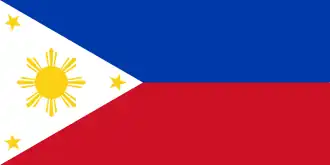 Philippines Philippines
|
Asia | 4 July 1946[note 36] | 4 July 1946[note 37] | United States
|
1946–present: Republic of the Philippines | Manila |
| Poland
|
Europe | 11 November 1918 [note 38] | 1945 | Germany Soviet Union
|
1989–present: Republic of Poland
1947–1989: |
Warsaw |
| Portugal
|
Europe | 25 July 1139 | 30 Aug 1808[note 39] | France
|
1975–present: Portuguese Republic (Third) 1974–1975: |
Lisbon |
 Qatar Qatar
|
Asia | 3 Sep 1971 | 3 Sep 1971 | United Kingdom
|
1971–present: State of Qatar | Doha |
 Romania Romania
|
Europe | 10 May 1877 | 10 May 1877 | Ottoman Empire
|
1989–present: Romania 1965-1989: Socialist Republic of Romania 1947-1965:Romanian People's Republic 1881-1947: Kingdom of Romania 1878-1881:Principality of Romania |
Bucharest |
 Russia Russia
|
Asia/Europe | 1480 | 26 Dec 1991 (de facto) 12 Dec 1993 (de jure)[note 40] |
Soviet Union
|
1993–present: Russian Federation (a federation) 1991–1993: |
Moscow |
 Rwanda Rwanda
|
Africa | 1 July 1962 | 1 July 1962 | Belgium
|
1962–present: Republic of Rwanda | Kigali |
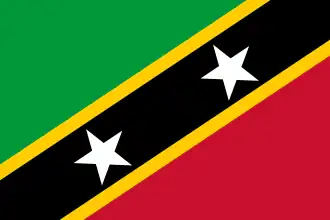 Saint Kitts and Nevis Saint Kitts and Nevis
|
The Americas | 19 Sep 1983 | 19 Sep 1983 | United Kingdom
|
1983–present: Federation of Saint Kitts and Nevis, a federation and monarchy in personal union with the United Kingdom | Basseterre |
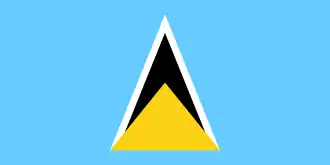 Saint Lucia Saint Lucia
|
The Americas | 22 Feb 1979 | 22 Feb 1979 | United Kingdom
|
1979–present: Saint Lucia, a monarchy in personal union with the United Kingdom | Castries |
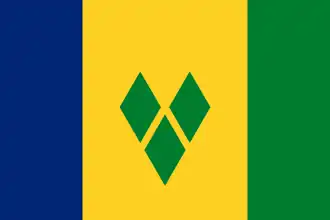 Saint Vincent and the Grenadines Saint Vincent and the Grenadines
|
The Americas | 27 Oct 1979 | 27 Oct 1979 | United Kingdom
|
1979–present: Saint Vincent and the Grenadines, a monarchy in personal union with the United Kingdom | Kingstown |
 Samoa Samoa
|
Australia | 1 Jan 1962 | 1 Jan 1962 | New Zealand
|
1962–present: Independent State of Samoa | Apia |
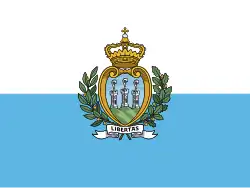 San Marino San Marino
|
Europe | 1291 | 21 Sep 1944 | World War II Allies
|
1944: Brief occupation by Germany, then Allies during Battle of San Marino 1739: Brief occupation by the Papal States |
San Marino |
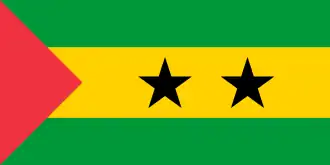 São Tomé and Príncipe São Tomé and Príncipe
|
Africa | 12 July 1975 | 12 July 1975 | Portugal
|
1975-1991: Democratic Republic of São Tomé and Príncipe | São Tomé |
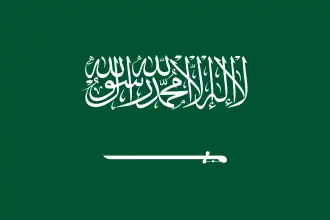 Saudi Arabia Saudi Arabia
|
Asia | 23 Sep 1932 | 23 Sep 1932 | Sultanate of Nejd.svg.png) Kingdom of Hejaz Kingdom of Hejaz Kingdom of Hejaz and Nejd (real union) Kingdom of Hejaz and Nejd (real union)
|
1932–present: Kingdom of Saudi Arabia [note 41] |
Riyadh |
 Senegal Senegal
|
Africa | 20 Aug 1960 | 20 Aug 1960 | France
|
1989–present: Republic of The Gambia 1982-1989: In union with The Gambia in the Senegambia Confederation |
Dakar |
| Serbia
|
Europe | 13 April 1992 [note 42] | 3 June 2006 | Yugoslavia Serbia and Montenegro
|
2006–present: Republic of Serbia 2003–2006: Republic of Serbia, in union with Montenegro in the State Union of Serbia and Montenegro (confederation and successor polity of the Federal Republic of Yugoslavia) |
Belgrade |
 Seychelles Seychelles
|
Africa | 29 June 1976 | 29 June 1976 | United Kingdom
|
1976–present: Republic of Seychelles | Victoria |
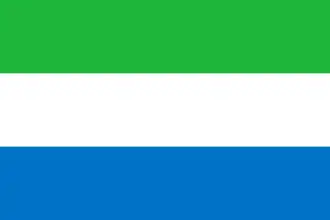 Sierra Leone Sierra Leone
|
Africa | 27 Apr 1961 | 27 Apr 1961 | United Kingdom
|
1971–present: Republic of Sierra Leone 1961-1971: Dominion of Sierra Leone, a monarchy in personal union with the United Kingdom |
Freetown |
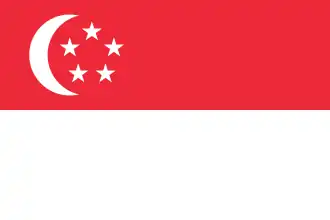 Singapore Singapore
|
Asia | 9 Aug 1965 | 9 Aug 1965 | Malaysia
|
1965–present: Republic of Singapore | Singapore |
 Slovakia Slovakia
|
Europe | 1 Jan 1993 | 1 Jan 1993 | Czechoslovakia
|
1993–present: Slovak Republic | Bratislava |
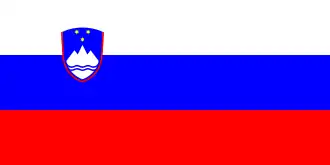 Slovenia Slovenia
|
Europe | 25 June 1991 | 25 June 1991 | Yugoslavia
|
1991–present: Republic of Slovenia | Ljubljana |
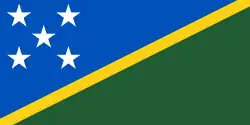 Solomon Islands Solomon Islands
|
Australia | 7 July 1978 | 7 July 1978 | United Kingdom
|
1978–present: Solomon Islands, a monarchy in personal union with the United Kingdom | Honiara |
 Somalia Somalia
|
Africa | 1 July 1960 | 1 July 1960 | United Kingdom Italy
|
2012–present: Federal Republic of Somalia, a federation 2004-2012: Transitional Federal Government of Somalia, transition from unitary state to federation |
Mogadishu |
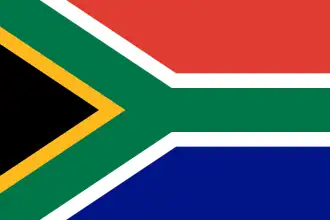 South Africa South Africa
|
Africa | 11 Dec 1931[note 43] | 11 Dec 1931 | United Kingdom
|
1961–present: Republic of South Africa (Democratization in 1994)
1931–1961: Union of South Africa, monarchy in personal union with the United Kingdom |
Bloemfontein (judicial), Cape Town (legislative) and Pretoria (executive) |
 South Sudan South Sudan
|
Africa | 9 July 2011 | 9 July 2011 |  Sudan Sudan
|
2011–present: Republic of South Sudan, a federation | Juba |
 Spain Spain
|
Europe | 1479 [note 44][45] | 1813 | France
|
1982–present: Kingdom of Spain (with democracy) 1975–1982: |
Madrid |
 Sri Lanka Sri Lanka
|
Asia | 4 Feb 1948 | 4 Feb 1948 | United Kingdom
|
1972–present: Democratic Socialist Republic of Sri Lanka 1948–1972: Dominion of Ceylon, a monarchy in personal union with the United Kingdom |
Colombo (executive, judicial) and Sri Jayawardenepura Kotte (official) |
| Sudan
|
Africa | 1 Jan 1956[note 46] | 1 Jan 1956 | United Kingdom.svg.png) Egypt Egypt
|
2019–present: Republic of the Sudan, a federation 1985-2019: Republic of Sudan, a federation 1969-1985:Democratic Republic of Sudan, a federation 1956-1969: Republic of Sudan, a federation |
Khartoum |
 Suriname Suriname
|
The Americas | 25 Nov 1975 | 25 Nov 1975 | Kingdom of the Netherlands
|
1975–present: Republic of Suriname | Paramaribo |
 Sweden Sweden
|
Europe | 970 c. | 1523 |  Kalmar Union Kalmar Union
|
1905–present: Kingdom of Sweden 1814-1905: United Kingdom of Sweden and Norway. A personal union between the Kingdom of Sweden and the Kingdom of Norway. |
Stockholm |
.svg.png) Switzerland Switzerland
|
Europe | 24 Oct 1648 | 1814 | France
|
1848–present: Swiss Confederation (second) 1814–1848: |
Bern |
.svg.png) Syria Syria
|
Asia | 28 Sep 1961[note 47] | 28 Sep 1961 | %252C_Flag_of_Syria_(1980%E2%80%932024).svg.png) United Arab Republic United Arab Republic
|
2024–present: Syrian Arab Republic (post-Fall of Assad regime)
1963-2024: Syrian Arab Republic, under the Assad regime |
Damascus |
 Tajikistan Tajikistan
|
Asia | 9 Sep 1991 | 9 Sep 1991 | Soviet Union
|
1991–present: Republic of Tajikistan | Dushanbe |
 Tanzania Tanzania
|
Africa | 26 April 1964 | 26 April 1964 | .svg.png) Tanganyika Tanganyika Zanzibar Zanzibar
|
1964–present: United Republic of Tanzania 1964: United Republic of Tanganyika and Zanzibar (New State)[note 48] |
Dodoma |
 Thailand Thailand
|
Asia | 4 Mar 1351 | 1945 | .svg.png) Japan Japan
|
1939–present: Kingdom of Thailand (The country changed its name from Siam to Thailand) 1932-1939: Kingdom of Siam |
Bangkok |
 Timor-Leste Timor-Leste
|
Asia | 20 May 2002 | 20 May 2002 | Indonesia United Nations Transitional Administration in East Timor
|
2002–present: Democratic Republic of Timor-Leste |
Dili |
.svg.png) Togo Togo
|
Africa | 27 Apr 1960 | 27 Apr 1960 | France
|
1960–present: Togolese Republic | Lomé |
 Tonga Tonga
|
Australia | 4 June 1970 | 4 June 1970 | United Kingdom
|
1970–present: Kingdom of Tonga | Nukuʻalofa |
 Trinidad and Tobago Trinidad and Tobago
|
The Americas | 31 Aug 1962 | 31 Aug 1962 | United Kingdom
|
1976–present: Republic of Trinidad and Tobago 1962-1976: Trinidad and Tobago, a monarchy in personal union with the United Kingdom |
Port of Spain |
 Tunisia Tunisia
|
Africa | 20 Mar 1956[note 49] | 20 Mar 1956 | France
|
1957–present: Republic of Tunisia 1956-1957: Kingdom of Tunisia |
Tunis |
 Turkey Turkey
|
Asia/Europe | 1299[note 50] | 1923 | .svg.png) Greece Italy United Kingdom France Armenia Greece Italy United Kingdom France Armenia |
1923–present: Republic of Turkey 1920–1923: |
Ankara |
 Turkmenistan Turkmenistan
|
Asia | 27 Oct 1991 | 27 Oct 1991 | Soviet Union
|
1991–present: Turkmenistan | Ashgabat |
 Tuvalu Tuvalu
|
Australia | 1 Oct 1978 | 1 Oct 1978 | United Kingdom
|
1978–present: Tuvalu, a monarchy in personal union with the United Kingdom | Funafuti |
 Uganda Uganda
|
Africa | 9 Oct 1962 | 9 Oct 1962 | United Kingdom
|
1963–present: Republic of Uganda 1962–1963: Uganda, a monarchy in personal union with the United Kingdom
|
Kampala |
 Ukraine Ukraine
|
Europe | 24 August 1991[note 52] | 24 Aug 1991 | Soviet Union
|
1991–present: Ukraine
|
Kyiv |
 United Arab Emirates United Arab Emirates
|
Asia | 2 Dec 1971 | 2 Dec 1971 | United Kingdom
|
1971–present: United Arab Emirates | Abu Dhabi |
| United Kingdom
|
Europe | 1 Jan 1801 [note 53] | 1 Jan 1801 | .svg.png) Kingdom of Great Britain Kingdom of Great Britain.svg.png) Kingdom of Ireland Kingdom of Ireland
|
1922–present: United Kingdom of Great Britain and Northern Ireland 1801–1922: |
London |
| United States
|
The Americas | 4 July 1776 | 19 Oct 1781 | Great Britain
|
1776–present: United States of America, a federation |
Washington, D.C. |
 Uruguay Uruguay
|
The Americas | 27 Aug 1828 | 27 Aug 1828 | Empire of Brazil
|
1830–present: Oriental Republic of Uruguay
1828–1830: |
Montevideo |
 Uzbekistan Uzbekistan
|
Asia | 1 Sep 1991 | 1 Sep 1991 | Soviet Union
|
1991–present: Republic of Uzbekistan
|
Tashkent |
 Vanuatu Vanuatu
|
Australia | 30 July 1980 | 30 July 1980 | United Kingdom France
|
1980–present: Republic of Vanuatu | Port Vila |
.svg.png) Vatican City Vatican City
|
Europe | 11 Feb 1929[note 54] | 11 Feb 1929 | Italy
|
1929–present: Vatican City State
|
Vatican City |
 Venezuela Venezuela
|
The Americas | 13 Jan 1830 | 13 Jan 1830 |  Gran Colombia Gran Colombia
|
1999–Present Bolivarian Republic of Venezuela (a federal state, comprising twenty-three states, a capital district and the Federal Dependencies which consist in several islands in the Caribbean sea) 1953–1999: |
Caracas |
 Vietnam Vietnam
|
Asia | 2 July 1976 | 2 July 1976 | .svg.png) North Vietnam North Vietnam South Vietnam South Vietnam
|
1976–present: Socialist Republic of Vietnam (New State) [note 55] | Hanoi |
 Yemen Yemen
|
Asia | 22 May 1990 | 22 May 1990 |  North Yemen North Yemen South Yemen South Yemen
|
1990–present: Republic of Yemen (New State)[note 56] | Aden (de facto, temporary) and Sanaa (de jure) |
 Zambia Zambia
|
Africa | 24 Oct 1964 | 24 Oct 1964 | United Kingdom
|
1964–present: Republic of Zambia | Lusaka |
 Zimbabwe Zimbabwe
|
Africa | 11 Nov 1965 | 18 Apr 1980 | United Kingdom
|
1980–present: Republic of Zimbabwe 1979-1980: Zimbabwe Rhodesia |
Harare |
.svg.png)
.svg.png)
.svg.png)
.svg.png)
.svg.png)
.svg.png)
.svg.png)
.svg.png)
.svg.png)

.svg.png)

.svg.png)

.svg.png)
.svg.png)
.svg.png)
.svg.png)
.svg.png)
.svg.png)

.svg.png)
_(1963%E2%80%931966).svg.png)
_(1960%E2%80%931963).svg.png)

.svg.png)
.svg.png)
.svg.png)
.svg.png)
.svg.png)

.svg.png)
.svg.png)
.svg.png)

.svg.png)
.svg.png)
.svg.png)

.svg.png)
.svg.png)
.svg.png)
.svg.png)
.svg.png)

.svg.png)


.svg.png)
.svg.png)

.svg.png)
.svg.png)

.svg.png)
.svg.png)
.svg.png)

.svg.png)

.svg.png)


.svg.png)

.svg.png)

.svg.png)
.svg.png)


.svg.png)
.svg.png)
.svg.png)

.svg.png)

-Variant.svg.png)


.svg.png)

.svg.png)
.svg.png)
.svg.png)
.svg.png)
List of countries by current form of government
Africa
Americas

Asia
Europe
Oceania
| Country | Date of current form of government | Birth of current form of government |
|---|---|---|
| Australia
|
1 January 1901 | Constitution of Australia |
| Fiji
|
6 September 2013 | Constitution of Fiji |
| Kiribati
|
1979 | Constitution of Kiribati |
| Marshall Islands
|
1 May 1979 | Constitution of the Marshall Islands |
| Federated States of Micronesia
|
10 May 1979 | Constitution of the Federated States of Micronesia |
| Nauru
|
31 January 1968 | Constitution of Nauru |
| New Zealand
|
6 February 1840 1979-2016 |
Treaty of Waitangi where the British Crown established a right to govern from indigenous Māori tribes[51] Constitution of New Zealand |
| Palau
|
1 January 1981 | Constitution of Palau |
| Papua New Guinea
|
16 September 1975 | Constitution of Papua New Guinea |
| Samoa
|
28 October 1960 | Constitution of Samoa |
| Solomon Islands
|
31 May 1978 | Constitution of Solomon Islands |
| Tonga
|
4 November 1875 | Constitution of Tonga |
| Tuvalu
|
1986 | Constitution of Tuvalu |
| Vanuatu
|
30 July 1980 | Constitution of Vanuatu |
| Country | Date of current form of government | Birth of current form of government |
|---|---|---|
| Azerbaijan
|
12 November 1995 | Constitution of Azerbaijan |
| Cyprus
|
16 August 1960 | Constitution of Cyprus[52][53][54] |
| Egypt
|
18 January 2014 | Constitution of Egypt |
| Georgia
|
24 August 1995 | Constitution of Georgia (country) |
| Indonesia
|
18 August 1945 | Constitution of Indonesia |
| Kazakhstan
|
30 August 1995 | Constitution of Kazakhstan |
| Panama
|
11 October 1972 | Constitution of Panama |
| Russia
|
12 December 1993 | Constitution of Russia. |
| Turkey
|
7 November 1982 | Constitution of Turkey. |
See also
- Declaration of independence
- List of active autonomist and secessionist movements
- List of national independence days
- List of wars of independence (national liberation)
- List of former European colonies
- List of former national capitals
- List of former sovereign states
- List of national constitutions
- List of sovereign states
- List of world map changes
- Political history of the world
- Succession of states
- Timeline of country and capital changes
- Timeline of national independence
Notes
- ^ Listed are the six UN member states with limited recognition: China (Bhutan neither recognizes PRC nor ROC; the ROC was recognized as a sovereign country by just 11 countries and Vatican City/Holy See as of Jan 2024), Israel (not recognized by 32 members), North and South Korea (no mutual recognition), and Cyprus (not recognized by Turkey).
- ^ controlled only a small part of the country from 1996 to 2001, but still recognized by the UN and most of the world's countries as the legitimate government of Afghanistan
- ^ Despite bearing the name "confederation", the Argentine Confederation was viewed internationally by its contemporaries as a single sovereign state, with a central government in charge of foreign relations.
- ^ On 9 July 1816, the Congress of Tucumán issued the formal Declaration of Independence
- ^ Full sovereignty. Adoption of the Statute of Westminster 1931
- ^ Austrians date their national identity back to the establishment of the Margraviate of Austria (later the Duchy of Austria and then the Archduchy of Austria) in 970 AD, this being a state of the Holy Roman Empire that only had full sovereignty after the dissolution of the Empire in the 19th century, when Austrian Empire emerged as a full sovereign state, later, this state (then known as Cisleithania) would become one of the constituent states of the Austro-Hungarian Monarchy. However, the Austro-Hungarian Monarchy dissolved into smaller sovereign states in 1918, without a clear successor among them (something similar to what happened with Yugoslavia at the end of the 20th century). The Republic of German-Austria denied any successorship to the Empire of Austria. Thus, in modern international law, Austria emerged as a new state in 1918. Later, the country was annexed by Germany in 1938, which in theory would cause it to lose its sovereignty and extinguish its international legal personality. Austria separated from Germany at the end of World War II in 1945. However the Moscow Conference of 1943 declared the German annexation of Austria in 1938 null and void, so the current Austrian state is considered to be the same state in continuity with the one that emerged in 1918.
- ^ The medieval Principality of Polotsk became an extinct state after its dissolution in 1307. The first state to use the name Belarus existed from March to December 1918. Modern state of Belarus dates from 1991
- ^ Treaty of Rio de Janeiro)
- ^ Full sovereignty. Adoption of the Statute of Westminster 1931. Canada becomes completely sovereign, having consulates and embassies in other countries
- ^ The Kingdom of Chile (Patria Vieja) became an extinct state after its reconquest by Spain. Modern state of Chile dates from 1818
- ^ People's Republic of China consider itself the successor state of the Republic of China, the latter considers itself the successor state of the Great Qing. The latter emerged from Great Jin. History of Chinese dynasties (with the rules of modern international law on state succession): The mythological Xia (if it existed) became an extinct state when it was conquered by Shang. Shang also became an extinct state when it was annexed by Zhou. In turn, Zhou became extinct as a state when it was annexed by Qin. Despite the change of dynasties, Qin and Han are considered the same state. Han became an extinct state when it collapsed into Three Kingdoms, with the three states emerging as new states (a situation similar to what occurred with Austria-Hungary and Yugoslavia in the 20th century). Cao Wei, Jin, Liu Song, Southern Qi, Liang, and Chen are dynasties of the same state, which became extinct when conquered by Sui. Northern Wei, Western Wei, Northern Zhou, Sui, Tang, Later Liang, Later Tang, Later Jin, Later Han, and Later Zhou, Song are dynasties of the same state, which became extinct when it was annexed by the Great Yuan. Great Ming emerged as a new state when separated from Great Yuan but became extinct when conquered by Great Qing. Despite the regime change to a republic and later to a socialist republic, the Republic of China and the People's Republic of China are considered to be the same state as the former Qing dynasty.
- ^ Qing conquered and annexed Great Ming in 1644, making Great Ming an extinct state.
- ^ Costa Rica celebrates its independence on September 15th, as it was on this date that Central America (then an unified country) separated from Spain in 1815. Throughout the 19th and 20th centuries, this federation dissolved, and there have been multiple attempts to restore it. Costa Rica did not participate of the attempts to recreate Central America as a unified country.
- ^ The Republic of Spanish Haiti became an extinct state after its reconquest by Haiti. Modern state of Dominican Republic dates from 1844
- ^ Egypt is one of the oldest nations in the world, its national identity dating back to the First Dynasty of Ancient Egypt. But it is important to stress the difference between state and nation. As a state the nation lost its sovereignty and was conquered by other states several times in History. The current Egyptian state, as an independent sovereign state, dates from 1922
- ^ A federal state that emerged from the union of Egypt and Syria; however, Syria left the union in 1961. The only remaining federated state, Egypt, is considered the successor state. This is because the United Arab Republic was a member of the United Nations from February 21, 1958, until September 2, 1971 (ten years after Syria left the union and became a sovereign state again), when its changed its name to the Arab Republic of Egypt.
- ^ El Salvador celebrates its independence on September 15th, as it was on this date that Central America (then an unified country) separated from Spain in 1815. Throughout the 19th and 20th centuries, this federation dissolved, and there have been multiple attempts to restore it. The Federation of Central America was the last failed attempt to unify these countries in 1921-1922. However, a federal government was never created, and its member states continued to be members of the League of Nations as if they were sovereign nations. The seat of power in the last attempt was located in Honduras.
- ^ Approximate date of the establishment of the Zagwe dynasty. Zagwe was one of the kingdoms that emerged from the collapse of the Kingdom of Aksum, that became an extinct or abolished state in 960 AD. It is the direct historical predecessor of the Ethiopian Empire, regardless of the Solomonic dynasty of the ancient Kingdom of Aksum having overthrown the Zagwe dynasty in 1270 and assumed their throne. Dynastic lineages are irrelevant to current international law, mainly because of the fact of the majority of the states in the current world scenario are republics.
- ^ Germans dates their national identity to the establishment of East Francia and to the Holy Roman Empire. However, the Holy Roman Empire dissolved into smaller sovereign states in 1806, without a clear successor among them (something similar to what happened with Yugoslavia at the end of the 20th century). Throughout the 19th century, confederations were formed between these sovereign states until they all united into a federation in 1867. This federal state that emerged from the merger of these smaller states is considered a new state (a process similar to what happened with the United Kingdom at the beginning of the 19th century and with Yemen, Vietnam, and Tanzania throughout the 20th century). The German Democratic Republic (East Germany or GDR), was completely abolished after the German reunification in 1990 and became an extinct state (in fact, it was the most recent case in history). Modern Germany is a reunification of the GDR into the Federal Republic of Germany, not a GDR successor state.
- ^ Honduras celebrates its independence on September 15th, as it was on this date that Central America (then an unified country) separated from Spain in 1815. Throughout the 19th and 20th centuries, this federation dissolved, and there have been multiple attempts to restore it. The Federation of Central America was the last failed attempt to unify these countries in 1921-1922. However, a federal government was never created, and its member states continued to be members of the League of Nations as if they were sovereign nations.
- ^ Hungarians date their national identity back to the establishment of the Kingdom of Hungary in the Middle Ages, later, this state would become one of the constituent states of the Austro-Hungarian Monarchy. However, the Austro-Hungarian Monarchy dissolved into smaller sovereign states in 1918, without a clear successor among them (something similar to what happened with Yugoslavia at the end of the 20th century). Thus, in modern international law, modern Hungary emerged as a new state in 1918, alongside Austria and the now-extinct states of Czechoslovakia and Yugoslavia (both extinct in the 1990s)
- ^ Iran is one of the oldest nations in the world, its national identity dating back to the Median Empire and the Achaemenid Empire. But it is important to stress the difference between state and nation. As a state the nation lost its sovereignty and was conquered by other states several times in History. The current Iranian state, as an independent state in a contiguous way, dates from 1501
- ^ Iraq is one of the oldest nations in the world, its national identity dating back to the Sumerian Civilization and other ancient Mesopotamian civilizations. But it is important to stress the difference between state and nation. As a state the nation lost its sovereignty and was conquered by other states several times in History. The current Iraqi state, as an independent state in a contiguous way, dates from 1932
- ^ Adoption of the Statute of Westminster 1931. Internationally recognized independence, by nations that aren't members of the Commonwealth of Nations
- ^ Beginning of the reign of the first Japanese emperor proven to have existed historically
- ^ The first Franco-Monégasque Treaty
- ^ Mongolia celebrates its independence day on December 29th, as on this day in 1911, the country declared its independence from China. However, in 1915, Mongolia again lost its sovereignty, becoming an autonomous state within the Republic of China. In 1921, in the context of the Mongolian Revolution of 1921, the country regained its independence; however, China questioned this sovereignty until 1945.
- ^ Montenegrins date their national identity to the founding of Prince-Bishopric of Montenegro in 1516. However, the Montenegrin state became an extinct state at the time of the Podgorica Assembly, which led to the annexation and extinction of the Kingdom of Montenegro by the Kingdom of Serbia. The current Montenegrin state emerged in 2006 after separating from Serbia.
- ^ The Dutch trace their national identity back to the establishment of the Republic of the Seven Provinces of the Netherlands in 1581 (recognized as an independent nation from the Holy Roman Empire in 1648). However, the last successor state to this country, the Kingdom of Holland, became an extinct state due to annexation by Napoleon Bonaparte's First French Empire. Thus, under modern international law, the Sovereign Principality of the United Netherlands is a new state.
- ^ Adoption of the Statute of Westminster 1931
- ^ Nicaragua celebrates its independence on September 15th, as it was on this date that Central America (then an unified country) separated from Spain in 1815. Throughout the 19th and 20th centuries, this federation dissolved, and there have been multiple attempts to restore it. The last failed attempt to unify these countries occurred in 1921-1922. However, Nicaragua did not join the other countries in this attempt; the last time it joined a federation was between 1896 and 1898, in the Greater Republic of Central America.
- ^ Independence from Seljuk Empire
- ^ On 15 November 1988, the Palestine Liberation Organization also proclaimed its independence of the State of Palestine and attained its autonomy as the Palestinian National Authority in 1994 in the West Bank and Gaza Strip, the territories that are occupied by Israel since 1967. Parts of West Bank are controlled by Israel, except for the Area A of the Palestinian National Authority. The Gaza Strip has been occupied by Hamas since the 2007 war after Israeli disengagement from Gaza in 2005. The West Bank was occupied by Jordan from 1948 to 1967, and the Gaza Strip was occupied by Egypt from 1957 to 1967.
- ^ Paraguayan independence was assured only after the War of the Triple Alliance, when Brazil resisted Argentine offers to divide and annex the country
- ^ Paraguay refused to join the United Provinces of the Río de la Plata and the Argentine Confederation [future Argentina ], which considered Paraguay to be a break-away province. On 12 October 1813 the Paraguayan Republic was proclaimed. Paraguay only made a formal declaration of independence in 1845. It was only recognized by Argentina as an independent country on 17 July 1852. However, this recognition was rejected by the Congress of Argentina and the actual recognition of independence came only in 1856)
- ^ The First Philippine Republic was an unrecognized state and became an extinct state after being terminated by the United States. The Second Philippine Republic was a puppet state of the Japanese Empire became an extinct state after the American reconquest of the archipelago. Modern state of Philippines dates from 1946. However, Filipinos celebrate their independence date on June 12 (the date of establishment of the First Philippine Republic) in order to avoid celebrating their national date on the same day that their former colonizers (the USA) celebrate their national date (July 4).
- ^ Independence recognized via the Treaty of Manila (1946).
- ^ As a new state, not as a nation
- ^ Convention of Cintra ended French occupation of Lisbon
- ^ Russia dates its national identity back to the Kievan Rus, medieval state that was extinguished when it was conquered by the Mongols of the Golden Horde. A new Russian sovereign state arose and existed continuously and without loss of sovereignty from 1480 until 1922, when of its own accord it ceased to be a sovereign state and became a subnational unit of the Soviet Union. With the dissolution of the Soviet Union, the nation again had a sovereign state, with the current Russian sovereign state dating back to 1991. The Russian Federation is regarded as the successor state to the former Soviet Union, inheriting its seat as a UN member state, after a letter by president Boris Yeltsin was received by the secretary-general Javier Pérez de Cuéllar.
- ^ Saudi Arabia dates its national identity from the establishment of the Emirate of Diriya (First Saudi State), however this state later became extinct, as did the Emirate of Nejd (the Second Saudi State). The Third Saudi State came into being in 1903 when it separated from the Emirate of Jabal Shammar. Through wars of conquest it conquered other states and made a real union with Hejaz. In 1932, Hejaz and Nejd were merged, creating a new state, according to the International Law
- ^ As a new state, not as a nation. The current Serbian state emerged in 1992, after the dissolution of Yugoslavia. The Arbitration Commission of the Peace Conference on Yugoslavia ruled that the Federal Republic of Yugoslavia (later Serbia and Montenegro) could not legally be considered a continuation of the former Socialist Federal Republic of Yugoslavia, but it was a new state. Other Serbian states existed before this date, but ceased to exist due to the conquest by other states or by joining other states (of their own volition) in a federation. It is important not to confuse the concept of state with that of the nation, as a nation the Serbian people have existed since the Middle Ages, and just like other ethnic groups (such as the Greeks, Jews, Egyptians, etc.) it went through periods of its history in which it was a Stateless nation
- ^ Adoption of the Statute of Westminster 1931
- ^ Spain is a unitary state that emerged from the political union by incorporating union of different states throughout history. In International Law, Spain emerged as a new state in 1479, with the dynastic union between Castille and Aragon. The two kingdoms began to act externally as a single political entity because they shared the same sovereign and, above all, the same foreign policy. The outside world (non-Spanish foreign leaders) saw a single diplomatic actor: "the Hispanic Monarchy" or "Spain." Internally, however, Castile and Aragon remained separate until 1716, with their own institutions, laws, and administrations. International Law is not interested in internal administrative configurations, but in the presence of a single sovereign subject in external relations. When Philip V of Spain legally unified the kingdoms between 1707 and 1716 in the Nueva Planta decrees, abolishing fueros and local courts, there was no change to the international system: the sovereign was the same, the territory was the same, the treaties remained valid, and the powers recognized absolute continuity. Thus, for International Law, a new State was not born; what occurred was merely an internal reorganization.
- ^ During Napoleon's invasion of Spain, Spain was occupied by France. In fear of invasion, the King of Portugal went to Rio de Janeiro, in the Portuguese colony of Brazil
- ^ Sudan dates its national identity to the Kingdom of Kerma, Kingdom of Kush and other ancient kingdoms that existed in its territory, i.e Nubia (mentioned in ancient Egyptian texts). However, as an independent sovereign state, the current Sudanese state dates back to 1956.
- ^ Syria was one of the founding members of the United Nations, having joined the organization on October 24, 1945. By uniting with Egypt to form the United Arab Republic into a political union, the Second Syrian Republic ceased to exist as a sovereign state and became an extinct state, with Syria becoming a subnational unit of the United Arab Republic. The UAR continued as a single UN member state. On October 13, 1961, following the dissolution of the UAR, Syria resumed its status as an sovereign state and regained its position as a separate member of the United Nations. However, Syrians celebrate 17 April as their independence day, as it was on 17 April 1946 that the nation ceased to be a colony of France.
- ^ The United Nations considers Tanzania a new state, resulting from the union of Tanganyika and Zanzibar.
- ^ The national identity of Tunisia dates back to the Ancient Carthage. But it is important to stress the difference between state and nation. As a state the nation lost its sovereignty and was conquered by other states several times in History. The current Tunisian state, as an independent state in a contiguous way, dates from 1956
- ^ The Republic of Turkey is the successor state of the Ottoman Empire. Despite being known in English as the Turkish War of Independence, Turks call it in their language Kurtuluş Savaşı (lit. Liberation War). "War of Independence" in Turkish is "bağımsızlık savaşı". The country's national date is the Republic Day (Cumhuriyet Bayramı), which commemorates the change of government regime from a monarchy to a republic.
- ^ Republican Turks, led by General Mustafa Kemal Atatürk initiate the Turkish War of Independence to expel foreign occupation troops and at the same time wage a civil war against Turkish monarchists, seen as collaborationists by the republicans)
- ^ Ukraine dates its national identity back to the Kievan Rus, however this state became an extinct state when it was conquered by the Mongols of the Golden Horde. Another state with historical importance for Ukrainians in their national identity is the medieval Kingdom of Galicia–Volhynia, which however also became an extinct state. In the 17th century the Ukrainian nation established another Ukrainian state, the Cossack Hetmanate, however this state became extinct upon being conquered by the Russian Empire. Between 1917 and 1919, two new Ukrainian states was established, being unified in 1919 but again lost its sovereignty by becoming a subnational unit of the Soviet Union. The current Ukrainian sovereign state dates from 1991, emerging after the dissolution of the Soviet Union.
- ^ The United Kingdom is a unitary state that emerged from the political union of different states throughout history. Northern Ireland has been part of this political union since 1922, when the rest of Ireland declared its independence from the United Kingdom. Ireland had united with Great Britain in 1800 to form the United Kingdom of Great Britain and Ireland, creating a new state according to the International Law. The Kingdom of Great Britain itself emerged from the political union between the Kingdom of England (which had already conquered and annexed the Principality of Wales centuries before) and the Kingdom of Scotland, also creating a new state in the process according to international law.
- ^ The independent state of Vatican City came into existence in 1929 via the Lateran Treaty between the Holy See and the Kingdom of Italy, which spoke of it as a new creation,[46] not as a vestige of the much larger Papal States (756–1870), which had previously encompassed much of Central Italy.
- ^ The United Nations recognizes the Socialist Republic of Vietnam as a new state created by unification.
- ^ Yemen is a new state created by the merger of two predecessor states. Legally, both states dissolved to create a single state. When North and South Yemen signed the Unification Agreement (1990), each extinguished its independent international legal personality. This is the central characteristic of a merger union.
- ^ Since the beginning of the Second Libyan Civil War in 2014, various areas of Libya are under the control of competing groups. These include domestic groups such as New General National Congress and local Tuareg groups, and foreign groups such as ISIL.
- ^ With the ongoing Somali Civil War, significant areas remain outside federal control.
- ^ Amendment to Constitution of Tanzania in 1997 ended status as one-party state
- ^ In the Dominican Republic, every constitutional amendment is considered a new constitution. The most recent amendment was the 2010 constitution.
- ^ 2015 Armenian constitutional referendum created a parliamentary republic
- ^ Most recent law: 2018
- ^ See Palestinian National Authority for some clarification and more detail, see History of the State of Palestine.
- ^ Philippines: For some clarification and more detail, see Timeline of Philippine Sovereignty and Sovereignty of the Philippines.
- ^ a b c According to the Badinter Arbitration Committee, the Socialist Federal Republic of Yugoslavia was dissolved into five states. This is the result when the Serb-dominated Federal Republic of Yugoslavia (FRY) was formed on 27 April 1992 as a rump state, consisting only of the former Socialist Republics of Serbia and Montenegro. Its government claimed continuity to the former country, however, the international community refused to recognize it as such. The stance of the international community was that Yugoslavia had dissolved into its separate states. The Federal Republic of Yugoslavia was prevented by a UN resolution on 22 September 1992 from continuing to occupy the United Nations seat as successor state to SFRY. This question was important for claims on SFRY's international assets, including embassies in many countries. Only in 1996 had the FRY abandoned its claim to continuity from the SFRY. The FRY was dominated by Slobodan Milošević and his political allies. This was reaffirmed in the Succession Agreement signed in June 2001.
- ^ a b c The date of formation of the current states of Estonia, Latvia and Lithuania is subject to an international dispute. Estonia, Latvia and Lithuania all maintain that they were illegally occupied by the Soviet Union, and that the current states are direct continuations of the pre-WWII states, which continued to exist through governments-in-exile. Russia maintains that the current three states are legally distinct entities newly created after the dissolution of the Soviet Union. All three states were admitted the UN as independent nations, not successor states of the USSR. For more information, see State continuity of the Baltic states.
- ^ a b c The annexation of the Baltic states in 1940 is considered an illegal occupation by the current governments of Estonia, Latvia and Lithuania and by a number of Western countries, including the United States and the European Union, who assert that the states were independent countries occupied by the Soviet Union. The three corresponding Soviet republics were officially sovereign entities in a federation, according to Article 76 of the Constitution of the Soviet Union. However, the Soviet Union was heavily centralized and was de facto a single federal state and the three states consider the corresponding Soviet republics to have been illegitimate entities.
- ^ Adopted before the Dissolution of Czechoslovakia
References
- ^ David Armitage, The Declaration of Independence in World Context, Organization of American Historians, Magazine of History, Volume 18, Issue 3, Pp. 61–66 (2004)
- ^ Manning, Patrick (1990). Slavery and African Life: Occidental, Oriental, and African Slave Trades. London: Cambridge University Press.
- ^ Lovejoy, Paul E. (2012). Transformations of Slavery: A History of Slavery in Africa. London: Cambridge University Press.
- ^ Martin Klein, "Slave Descent and Social Status in Sahara and Sudan", in Reconfiguring Slavery: West African Trajectories, ed. Benedetta Rossi (Liverpool: Liverpool University Press, 2009), 29.
- ^ "Humanities › History & Culture Independence from Spain in Latin America". ThoughtCo. Dotdash. Retrieved 25 November 2017.
- ^ "Simón Bolívar: The Liberator". latinamericanstudies.org. Dr. Antonio Rafael de la Cova. Retrieved 25 November 2017.
- ^ Christopher A Whatley (2001). Bought and Sold for English Gold: The Union of 1707 (Tuckwell Press, 2001)
- ^ An Outline of the People's Republic of Albania. 8 Nëntori. 1978. p. 47.
- ^ The Regency of Algiers ceased to exist and became an extinct or abolished state when France conquered Algeria. The People's Democratic Republic of Algeria is a new state that emerged after separating from the French Republic
- ^ Shillington, Kevin (2005). Encyclopedia of African history. CRC Press. p. 60. ISBN 1-57958-453-5. Archived from the original on 2023-01-12. Retrieved 2020-05-21.
- ^ Blaustein, Albert P.; Sigler, Jay A.; Beede, Benjamin R. (1977). Independence documents of the world. Brill Archive. p. 11. ISBN 0-379-00794-0.
- ^ Whittlesey, Derwent (June 1934). "Andorra's Autonomy". The Journal of Modern History. 6 (2): 147–155. doi:10.1086/236113. S2CID 145133794.
- ^ Archambault, G.H. (Nov 16, 1944). "Andorra Occupied by French Police; De Gaulle Acts Under Historic Authority to Keep Order in Pyrenees Republic". The New York Times. p. 5. Archived from the original on February 19, 2014. Retrieved April 25, 2009.
- ^ "1975: Divided Angola gets independence". BBC On This Day. 1975-11-11. Archived from the original on 2009-02-22. Retrieved 2009-07-04.
- ^ "Background Note: Antigua and Barbuda". state.gov. US Department of State. Archived from the original on 2017-01-22. Retrieved 2009-07-04.
- ^ "Congress of Tucumán". Encyclopædia Britannica. Archived from the original on 2009-07-01. Retrieved 2009-07-04.
- ^ Howe, G. Melvyn; Dowsett, Charles James Frank; Mints, Aleksey Aleksandrovich; Suny, Ronald Grigor (23 April 2019). "Armenia: Independence". Britannica.com. Archived from the original on 26 April 2015. Retrieved 23 June 2022.
- ^ "Federation". australia.gov.au. Australian Government. Archived from the original on 2019-03-12. Retrieved 2019-06-06.
- ^ Kurian, George Thomas (1987). The Encyclopedia of the Third World. Vol. 1 (3rd ed.). Facts on File. p. 115. ISBN 0-8160-1118-4.
- ^ "U.S. Relations With Belize". state.gov. US Department of State. December 22, 2016. Archived from the original on June 11, 2018. Retrieved May 23, 2019.
- ^ "Botswana". Encyclopedia.com. Archived from the original on 2010-07-15. Retrieved 2009-07-18.
- ^ "Brazil". Encyclopedia.com. Archived from the original on 2009-04-17. Retrieved 2009-07-18.
- ^ "Burkina Faso". Encyclopedia.com. Archived from the original on 2010-05-21. Retrieved 2009-07-18.
- ^ Tucker, Spencer (1999). Vietnam. Routledge. pp. 196–197. ISBN 1-85728-922-6.
- ^ "Statute of Westminster: Canada's Declaration of Independence". The Canadian Encyclopedia. Archived from the original on August 13, 2014. Retrieved April 19, 2009. and the last province to join the Canadian Confederation being Newfoundland and Labrador
- ^ "Background Note: Cape Verde". state.gov. US Department of State. June 2008. Archived from the original on 4 June 2019. Retrieved 26 July 2009.
- ^ "Hrvatska povijest". Archived from the original on 2 October 2017. Retrieved 6 July 2017.
- ^ "Grboslovlje u Hrvata >> Krunisani". Archived from the original on 24 November 2018. Retrieved 6 July 2017.
- ^ "Hrvatski Vladari / Croatian rulers – Geni". Archived from the original on 31 March 2019. Retrieved 6 July 2017.
- ^ "TOPLI DOM JADRANA – PRIMORSKA HRVATSKA – Visite Croatia – Stema Guide". Visite Croatia - Stema Guide. 22 December 2016. Archived from the original on 21 August 2017. Retrieved 6 July 2017.
- ^ "Croatia – World Leaders Index". Archived from the original on 27 November 2019. Retrieved 6 July 2017.
- ^ McKitterick, Rosamond, ed. (1995). The New Cambridge Medieval History. Volume II c.700–c.900. Cambridge: Cambridge University Press. p. 205. ISBN 0-521-36292 X.
- ^ "Estonian Declaration of Independence, 24 February 1918". President of the Republic of Estonia. Archived from the original on May 22, 2009. Retrieved 2009-07-19.
- ^ a b A. Berhe. (2003). Revisiting resistance in Italian-occupied Ethiopia: the Patriots' Movement (1936–1941) and the redefinition of post-war Ethiopia. African dynamics, ISSN 1568-1777; vol. 2. Brill, Leiden, ISBN 90-04-12624-4.
- ^ Becker, Marc (2011). "History of U.S. Interventions in Latin America". Marc Becker. Archived from the original on 7 November 2019. Retrieved 9 February 2016.
- ^ Campbell Robertson; Stephen Farrell (31 December 2008), "Green Zone, Heart of U.S. Occupation, Reverts to Iraqi Control", The New York Times, archived from the original on 20 October 2017, retrieved 10 February 2017
- ^ "November 18, 1918 – Proclamation of Latvia's independence". LETA. Archived from the original on 29 October 2008. Retrieved 2009-07-19.
- ^ At the end of World War II, the region was abandoned by the Italians. The French and British occupy the region militarily, with the French settling in Fezzan, the British in Tripolitania and Cyrenaica. Later the Emirate of Cyrenaica is established as an independent but not internationally recognized country. King Idris I unified the country on December 24, 1951, uniting the territories into a single federal state, named the United Kingdom of Libya, later becoming the unitary Kingdom of Libya
- ^ Federation of Malaya Independence Act 1957
- ^ Adhikary, Surya Mani (1997). The Khaśa kingdom: a trans-Himalayan empire of the middle age. Nirala. ISBN 978-81-85693-50-7.
- ^ "What changed?". Archived from the original on 2020-06-14. Retrieved 2020-10-10.
- ^ "New Zealand Parliament – New Zealand sovereignty: 1857, 1907, 1947, or 1987?". New Zealand Parliament Research Papers. Archived from the original on April 15, 2012. Retrieved April 19, 2009.
- ^ Painter, James E.; Butland, Gilbert James; Service, Elman R.; Nickson, R. Andrew; Williams, John Hoyt (10 May 2019). "Paraguay". Britannica.com. Archived from the original on 12 December 2013. Retrieved 23 June 2022.
- ^ "San Marino Historical Origins and Legends". Sanmarinosite.com. Retrieved 2014-05-24.
- ^ Hispania-Spania. El nacimiento de España. Conciencia hispana en el reino visigodo de Toledo (Santiago Cantera Montenegro). Hispania-Spania. The birth of Spain. Hispanic consciousness in the Visigothic Kingdom of Toledo. (Santiago Cantera Montenegro)
- ^ "Preamble of the Lateran Treaty" (PDF). Archived from the original (PDF) on 10 October 2017. Retrieved 21 July 2014.
- ^ Grenada Constitution Order 1973
- ^ CHAPTER 1.01 CONSTITUTION OF SAINT LUCIA
- ^ Constitution of Saint Vincent and the Grenadines, 1979
- ^ Constitution of the Republic of Trinidad and Tobago
- ^ Finlayson, Christopher (2021). He Kupu Taurangi: Treaty settlements and the future of Aotearoa New Zealand. Huia Publishers. p. 14. ISBN 978-1-77550-615-7. OCLC 1238026659.
- ^ Wolff, Stefan (2004). Disputed Territories: The Transnational Dynamics of Ethnic Conflict Settlement. Berghahn Books. pp. 30–31. ISBN 978-1-57181-657-3. Archived from the original on 2023-03-26. Retrieved 2023-03-23.
- ^ Wippman, David (1998). "Practical and Legal Constraints on Internal Power Sharing". In Wippman, David (ed.). International Law and Ethnic Conflict. Cornell University Press. p. 220. ISBN 978-0-8014-3433-4. Archived from the original on 2023-03-26. Retrieved 2023-03-23.
- ^ Bahcheli, Tozun; Noel, Sid (2005). "Power Sharing for Cyprus (Again)? European Union Accession and the Prospects for Reunification". In Noel, Sid (ed.). Relations of Ruling: Class and Gender in Postindustrial Societies. McGill-Queen's University Press. p. 215. ISBN 978-0-7735-2948-9.